The short answer
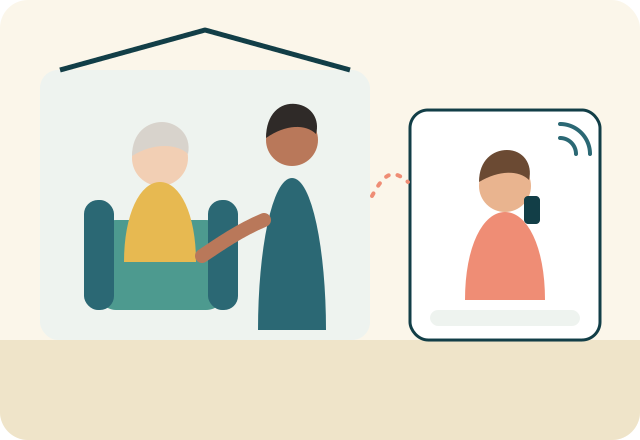
Name one family care coordinator and one backup, in writing, before care is needed. The coordinator supervises care rather than providing it: they hire and oversee helpers, keep the records, and make sure the plan is followed. It doesn't have to be the child who lives closest. Choose the person who is organized, calm and trusted by the others, and give the other family members their own jobs. If no one can take it on, a professional care manager can.
What the coordinator actually does
On a hard day, the coordinator is the person everyone calls. The job usually includes:
- Hiring and overseeing care: finding home care or a facility, checking references, and replacing help that isn't working.
- Keeping the records: the medication list, doctors' contacts, insurance cards, the care plan and the claim log.
- Talking with professionals: doctors, hospital discharge planners, the care team and the long-term care insurer.
- Watching for change: falls, weight loss, confusion, missed medications or a caregiver who seems overwhelmed.
- Keeping the family informed: a short weekly update prevents most sibling conflict.
Notice what's not on the list: bathing, lifting and overnight shifts. A coordinator who also becomes the hands-on caregiver usually burns out. The plan works best when family members supervise care and paid help provides it.
How to choose the coordinator
Look for
Organized, calm in a crisis, comfortable on the phone with doctors and insurers, trusted by the parent and the siblings, and able to make time.
Don't assume
That it must be the oldest child, the daughter, the one who lives closest, or the one without kids. Proximity helps, but organization matters more.
Ask the person who will receive care first. Many parents have a clear preference, and it's far easier to honor if it's written down while they can say it.
Name a backup, and give everyone a job
Coordinators get sick, travel and burn out. Name a backup who knows where everything is. Then give every family member a role so the coordinator isn't alone:
- Money: pays bills, tracks care spending, files insurance claims or works with the person who does.
- Paperwork: keeps the power of attorney, HIPAA authorizations and policy documents current.
- Visits and companionship: regular visits or calls, especially from siblings who live far away.
- Respite: takes over for a weekend or a week so the coordinator can rest. See respite care.
Paperwork the coordinator needs
- A durable financial power of attorney and a health care power of attorney, or named authority under each.
- HIPAA authorizations so doctors can talk with them.
- The insurer's authorization form, so the long-term care insurer will discuss the policy and claim. See filing a claim for a parent.
- A one-page summary: diagnoses, medications, doctors, pharmacy, insurance and wishes. The care-plan checklist builds it.
When to hire a professional care manager
Sometimes no family member can take the role, or the situation is too complex. An aging life care manager, also called a geriatric care manager, is a professional who assesses the situation, builds the care plan and oversees it. The Aging Life Care Association describes the professional as the coach and the family as the team captain: the family stays in charge, and the professional brings the expertise.
- They coordinate rather than provide hands-on care. Typical work includes assessments, finding and vetting providers, overseeing a move, and going to doctor visits.
- Cost: fees are usually hourly and vary widely by area, often in the range of about $90 to $250 an hour for ongoing services. Some managers bill for travel time, so get the billing details in writing.
- Finding one: the Aging Life Care Association has a directory searchable by city, state or ZIP code, and your local Area Agency on Aging can suggest options.
- Long-term care insurance may help. Many policies include a care coordinator at no cost, and some pay for care management. See care coordination services.
Common questions
What does a family care coordinator do?
They run the care: hiring and overseeing helpers, keeping medication lists and records, talking with doctors and the insurer, and keeping the family informed. They supervise care rather than provide it.
Should the child who lives closest be the coordinator?
Not necessarily. Closeness helps, but the best coordinator is organized, calm and trusted. A sibling who lives far away can coordinate with local help, and the nearby sibling can take a different role.
What if siblings disagree about care?
Hold a family meeting with a written agenda, decide roles before a crisis, and share a short weekly update. A neutral professional, such as a care manager or mediator, can help. See the family meeting agenda.
Does long-term care insurance pay for a care coordinator?
Many policies include a care coordinator from the insurer at no cost, and some pay for professional care management. Check the policy's care coordination benefit.