The short answer
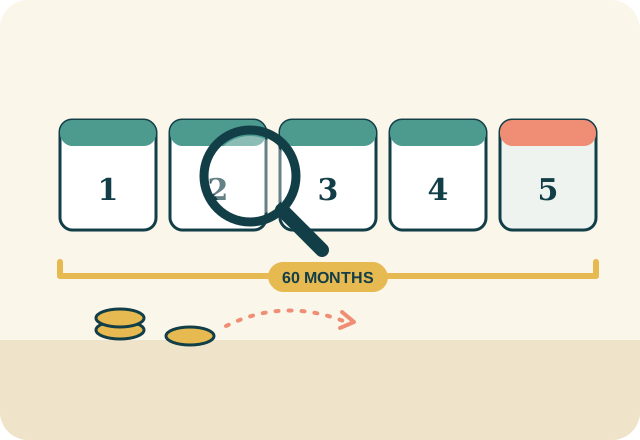
When someone applies for Medicaid long-term care, the state reviews gifts and transfers made in the prior 60 months. Transfers for less than fair value can trigger a penalty period during which Medicaid won't pay. Married couples get extra protection: in 2026, the spouse at home can generally keep between $32,532 and $162,660 in countable assets, depending on the state, plus a share of income.
How the look-back works
- The window: the 60 months (5 years) before the Medicaid application for nursing home care and many home and community-based programs.
- What counts: gifts of cash, selling property below market value, adding a child to a deed, and paying family for care without a written agreement.
- The penalty: the total value transferred divided by your state's average monthly cost of nursing home care. The result is the number of months Medicaid won't pay.
- When it starts: the penalty begins only once the person has applied and is otherwise eligible, meaning they've already spent down. That's why poorly timed gifts can leave a family paying privately with no money left.
Example: a parent gave $90,000 to children three years before applying. If the state's divisor is $9,000 a month, Medicaid won't pay for 10 months of care after the parent qualifies.
Transfers that are generally allowed
- Transfers to a spouse.
- Transfers to a child who is blind or permanently disabled, or to a trust for them.
- Transferring the home to a caregiver child who lived there for at least two years and provided care that kept the parent out of a nursing home.
- Transferring the home to a sibling who has an ownership share and lived there for at least a year.
- Paying a family member for care under a written, fair-market caregiver agreement.
Rules vary by state, and documentation matters. Work with an elder law attorney before moving assets.
Protections for the spouse at home (2026)
Federal "spousal impoverishment" rules keep the healthy spouse from losing everything when the other spouse needs Medicaid long-term care.
| 2026 federal standard | Amount |
|---|---|
| Community spouse resource allowance, minimum | $32,532 |
| Community spouse resource allowance, maximum | $162,660 |
| Maximum monthly maintenance needs allowance (income) | $4,066.50 |
| Home equity limit, highest a state may set | $1,130,000 |
- Assets: the spouse at home keeps assets up to the state's resource allowance. The home, one car, and personal belongings usually don't count.
- Income: the spouse at home keeps their own income, and may receive part of the other spouse's income to reach the state's allowance.
- The home: a home with a spouse living in it is generally protected. From 2028, a new federal rule bars Medicaid long-term care coverage when home equity is over $1 million. See the home equity cap.
Plan ahead instead of rushing gifts
- Start early. Planning more than five years ahead gives the most options.
- Use insurance to buy time. Coverage that pays for the first years of care can protect assets without gifting.
- Look at Partnership policies. In many states, qualified long-term care policies protect assets equal to the benefits paid if Medicaid is needed later.
- Get the documents right: power of attorney with gifting authority, and caregiver agreements. See estate planning for long-term care.
Common questions
What is the Medicaid look-back period?
When you apply for Medicaid long-term care, the state reviews transfers made in the previous 60 months. Gifts or below-value sales during that time can trigger a penalty period.
How is the Medicaid transfer penalty calculated?
The value of the transfers is divided by your state's average monthly private-pay nursing home cost. The result is the number of months Medicaid won't pay, starting when you're otherwise eligible.
How much can a spouse keep when the other spouse goes on Medicaid?
In 2026, federal limits let the spouse at home keep between $32,532 and $162,660 in countable assets, depending on the state, plus the home, a car, and an income allowance of up to $4,066.50 a month.
Can I give my house to my children to qualify for Medicaid?
Usually not without a penalty, unless an exception applies, such as a caregiver child who lived in the home and provided care for two years. Talk with an elder law attorney first.