The short answer
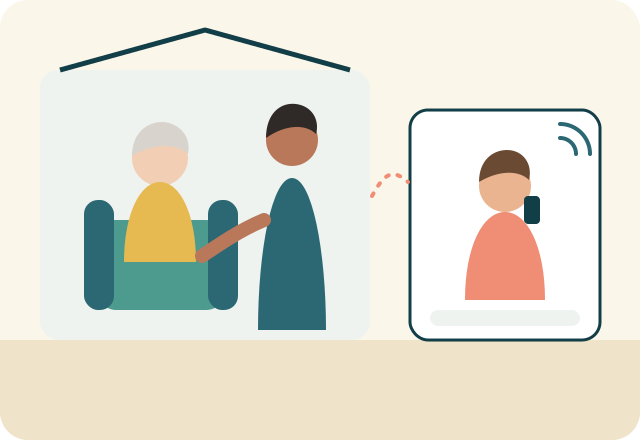
Family can be part of the plan, but willingness isn't the same as capacity. Discuss time, distance, health, work, training, backup help, and whether relatives will provide care or coordinate paid care. Paid care can protect relationships and preserve the time you spend together as family.
Four roles to fill
Hands-on care
Bathing, dressing, meals, mobility, medications, and supervision.
Care coordination
Scheduling, records, claims, bills, providers, and family communication.
Long-distance help
Travel, paid care, technology, advocacy, and regular check-ins.
Respite and backup
Relief before exhaustion, not only after a crisis.
Care may last months, years, or longer. Children who live far away may coordinate paid help, handle bills, schedule visits, advocate with providers, or arrange transportation, but those roles need to be agreed on before a crisis.
Ask each person what they can safely do
- Spouse or partner: Will they be healthy enough to lift, supervise, drive, and coordinate care? What happens if they need care too?
- Children far away: Can they coordinate remotely, travel when needed, arrange paid help, pay bills, or advocate for you?
- Friends or neighbors: What help have they truly agreed to provide, and for how long? Who is the backup?
- Paid professionals: What services are available locally, and who will hire, schedule, supervise, and pay them?
Caregiving can become a second job. It can affect sleep, physical health, emotional well-being, work, finances, marriage, and sibling relationships. Build respite and paid help before exhaustion. Arrange training for transfers, medications, dementia-related changes, and emergencies, and use a written agreement if a family member is paid.
A question worth discussing now
Would you rather have family provide hands-on care, manage and advocate for paid care, or spend their time with you as family? There's no wrong answer, but the answer should be written down.
Family meeting agenda
The goal isn't to assign a spouse or child a job. It's to agree on choices, limits, and backup help while everyone can speak honestly.
- What does dignified care look like?Where would you prefer to receive care, and what are your non-negotiables?
- Who can do what?Each person names what they can realistically provide, how often, and for how long.
- How will it be paid for?Income, savings, insurance, and what must stay protected for a spouse.
- Who has authority?Health care agent, financial agent, and where the documents are kept.
- What's the backup?Who steps in if the first caregiver can't continue, and when paid care begins.
- When do we review?Set a date, and revisit after any move, diagnosis, or hospitalization.
Plan for hard scenarios
- Both partners need care: How will each person receive safe care? What money and housing must stay protected if one partner needs more help first?
- Cognitive decline: What preferences should be documented early? Who will supervise medications, driving, finances, and living arrangements?
- Children live far away: Who's local, who coordinates remotely, and what travel, paid-care, and record-access plan makes distance workable?